![Express train with an AI icon and a skyline in the background, surrounded by connecting lines. [AI-generated]](https://www.itk-engineering.de/wp-content/uploads/2026/08/itk-whitepaper-ki-requirements-engineering-1024x576.jpg)
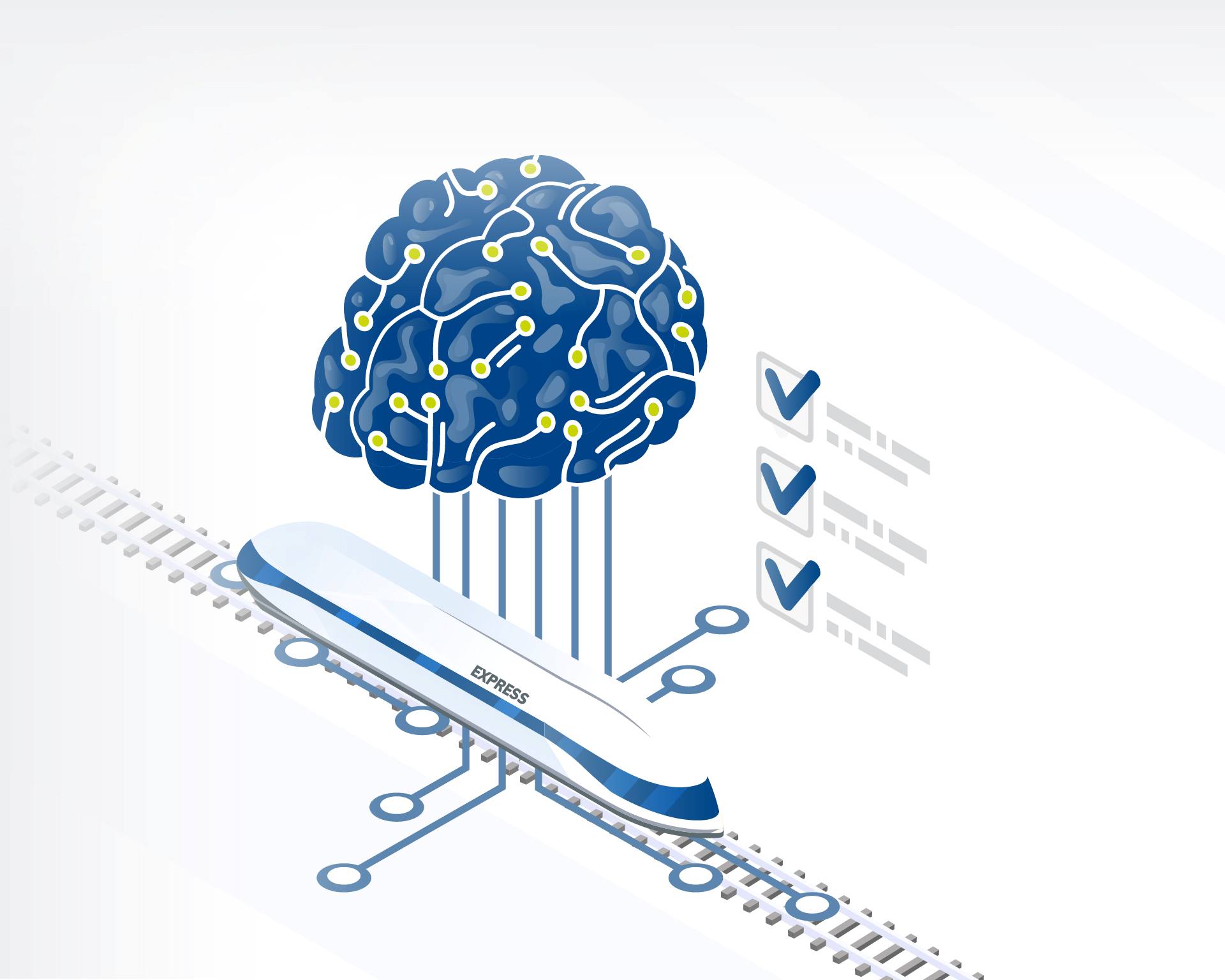
From risk factor to strategic advantage for safe railway systems: Discover how AI supports requirements engineers in analyzing, verifying and formalizing requirements – and why human expertise remains indispensable. Using a practical example from the railway industry, we show how development effort can be reduced while sustainably improving the quality of requirements.
False or unclear requirements are among the most common causes of high development costs and delays. This is particularly true for safety-critical systems. Modern AI models can support requirements engineers in systematically analyzing requirements, identifying inconsistencies at an early stage and transforming natural-language requirements into formal specifications. The result: More efficient development processes, fewer iterations and higher quality from the early stages of a project.

Before solutions can be developed, requirements need to be understood: Since 2009, Agnes Stöcker has been involved in the development of safety-critical railway systems, ensuring that complex rail projects are built on a solid foundation of clear and consistent requirements. As a Team Lead and Requirements Engineering Expert, she supports our customers in systematically capturing and specifying requirements and translating them into successful development projects.

High-quality requirements are the key to project success: Franziska Kempf has been working in the business unit rail at ITK Engineering GmbH since 2021. As a Requirements Engineering Expert, she supports customers in eliciting requirements and specifying safety-critical systems and software for the rail industry. Her particular focus is on the practical application of AI-assisted Requirements Engineering in the rail industry.
Artificial intelligence is no cure-all, but a powerful tool for increasing efficiency and quality in requirements engineering.